Harte family poverty
A Woman of SubstanceHarte family poverty is not a passing setback but the condition that organizes daily life for Jack Harte, Elizabeth Harte, and their children. It dictates what they can eat and wear, sends children into mill work before their education is complete, and makes even a small increase in wages consequential. The family’s deprivation also sharpens Emma Harte’s view of the divide between workers and the Fairleys: she comes to regard money not simply as comfort, but as the means to protect her family and escape powerlessness.
Material Conditions at Home
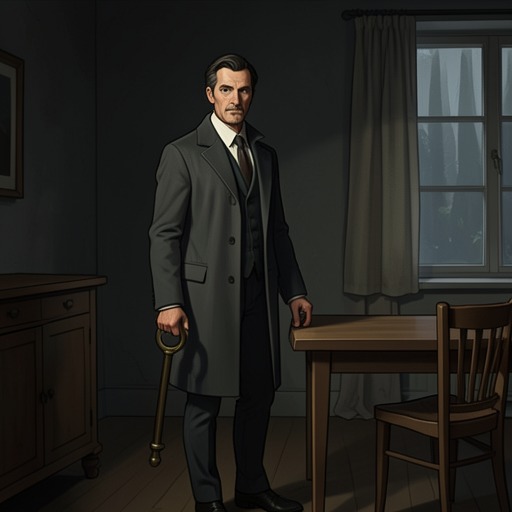
The household’s limited resources appear in practical routines rather than as an abstract description of hardship. When Emma finds Frank Harte preparing food for the family’s work breaks, she takes over the sandwiches, scrapes some of the dripping from the bread, and saves it in the brown stone jar. Her reminder that the family is not yet genteel makes thrift a shared fact of life, not a temporary economy. The food must be carried to work, and every ingredient matters enough to be recovered rather than wasted.
Clothing, too, is repeatedly used and repaired. Frank wears hand-me-down work clothes and boots from Winston Harte, along with carefully darned socks. Emma’s coat, passed on from Fairley Hall, is already worn when she receives it; she mends it, lengthens the hem, and replaces its buttons, but it soon fits her poorly as she grows. These garments register how the family makes necessities last, while also showing that the clothing available to Emma depends in part on castoffs from the household where she works.
Wages and Work
The family depends on the wages its members can bring home. Jack and Winston work at the Fairley brickyard, while Frank, at twelve, works at the Fairley mill collecting empty yarn bobbins. Jack objects to what the brickyard pays: eighteen shillings and tenpence a week, an amount he considers inadequate for a married man with three children. His complaint is set against the scarcity of jobs and the low earnings of other workers, including Stan, the gaffer, who says he can do little beyond advising Jack to take the available work or leave it.
Jack chooses to leave. He secures work at the mill for twenty shillings a week, a modest improvement rather than a way out of poverty. The move costs him the outdoor work he prefers, and he has to swallow his pride to arrange it. Yet the mill’s location in the village valley, near the River Aire, makes it a short walk from home. Jack takes comfort in being close enough to Elizabeth if she needs him, and delays telling her about the change because he believes the news would distress her and aggravate her condition. The decision thus combines the household’s financial pressure with his concern for his wife.
Childhood and Lost Education
Poverty reaches into the children’s futures most visibly through Frank’s early employment. He leaves the village church school at twelve because the family needs the few shillings he can earn at the mill. His teacher considers him an unusually capable and eager pupil and is distressed that he cannot continue; in the account of his childhood, his intelligence is set against the limited opportunities his circumstances allow. Work is not presented as a choice made from preference, but as a contribution the family cannot readily forgo.
Frank’s appearance can make him seem especially vulnerable: he is small for his age, wears clothes handed down from Winston, and is mocked at work for his gentle looks. Yet poverty does not wholly define his inner life. He retreats into a vivid imagination and continues learning after leaving school, rereading the few worn books his mother owns and seeking other reading wherever he can. Emma brings him scraps of paper from Fairley Hall, which he uses to write short passages. His self-directed study cannot replace the education he has lost, but it shows him sustaining an intellectual life within the narrow options the family’s income imposes.
Emma’s View of Poverty and Wealth
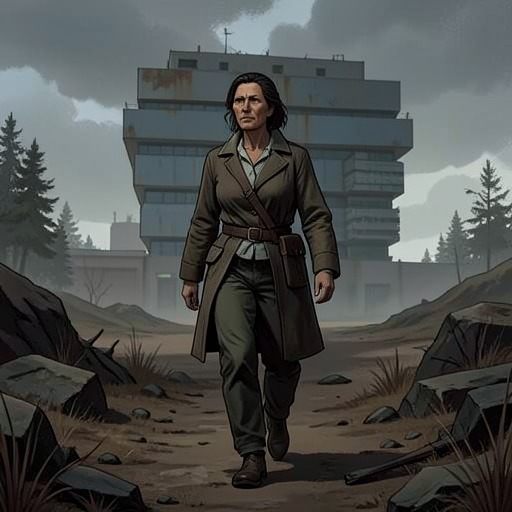
Emma experiences deprivation both at home and on her journey to Fairley Hall, where she works. On a February morning in 1904, she walks across the moors in a patched, threadbare coat that offers little protection. The repaired coat makes visible the difference between having clothing and having adequate clothing: her family can mend and adapt what is available, but cannot simply replace it. Her journey carries her from the village toward the Hall, bringing the contrast between the two settings into her everyday experience.
From her work, Emma has observed the gulf between the Fairleys’ luxury and the workers’ hard lives. She connects the family’s need for money to Elizabeth’s health, believing they need more resources if her mother is to regain her strength. She also sees that the rich are insulated from the conditions borne by those whose labor sustains them. In her reasoning, money offers more than food or medicine: it brings power and a measure of safety, while its absence leaves poor people exposed to the decisions of the wealthy and to the uncertainties of life.
Consequences and Significance
The household’s poverty produces different but connected pressures. Jack must trade preferred work for a small rise in pay and keep his employment change from Elizabeth until he has begun. Frank loses his schooling and enters the mill as a child, despite his teacher’s confidence in his abilities. Emma takes on practical responsibility at home and, from the position of a young worker moving between the village and Fairley Hall, begins to interpret the contrast in wealth as a problem she might act against.
That response distinguishes Emma’s outlook from Jack’s resignation. She rejects the idea that birth and luck alone decide who becomes wealthy and believes that a plan and sustained work might make a fortune possible. The evidence does not erase the family’s immediate hardship or establish that the way out is easy; instead, it shows how scarcity gives shape to Emma’s ambition. Poverty is at once a material constraint on the family and the condition that teaches her to associate economic independence with security.